Yoghy Organics
Yoghy Organics Pure Botanical Tisanes & Ratio Engine
Single-Origin High-Elevation Monograph

Organic Ceylon Green Tea | Single-Origin High-Grown Leaves

High-elevation pan-fired Camellia sinensis, low-temperature 175°F extraction kinetics, and EGCG antioxidant protection.

Herbalist Formulations:
Dosage: 2.0g
Water: 205°F
Steep: 5.0 min
4 oz (120ml) 8 fl oz 64 oz (1890ml)
Calculated Dry Botanical Mass Covered Infusion
2.0g
Kitchen Measure: ~1.9 tsp (~6 whole flowers)
Water Temperature
205°F / 96°C
Optimal extraction threshold
Optimal Duration
5.0 min (300s)
Prevents tannin bitterness
Cumulative Yield:
Up to 24 fl oz (2 re-steeps)
Steep Timer Ready 05:00
Phytochemical Chromatic Indicator

Anthocyanin pH Transformation

Ternatin polyacylated anthocyanins shift from sapphire blue to magenta as acidity increases.

Deep Sapphire Blue
pH 7.2
Alkaline / Neutral Acidic Citrus
pH 7.8 pH 6.0 pH 4.5 pH 2.8
Biochemical Mechanism: Delphinidin-3,3',5'-triglucoside aglycone undergoes reversible structural ionization in the presence of citric and ascorbic acids, modifying light absorption wavelengths between 550nm and 620nm.
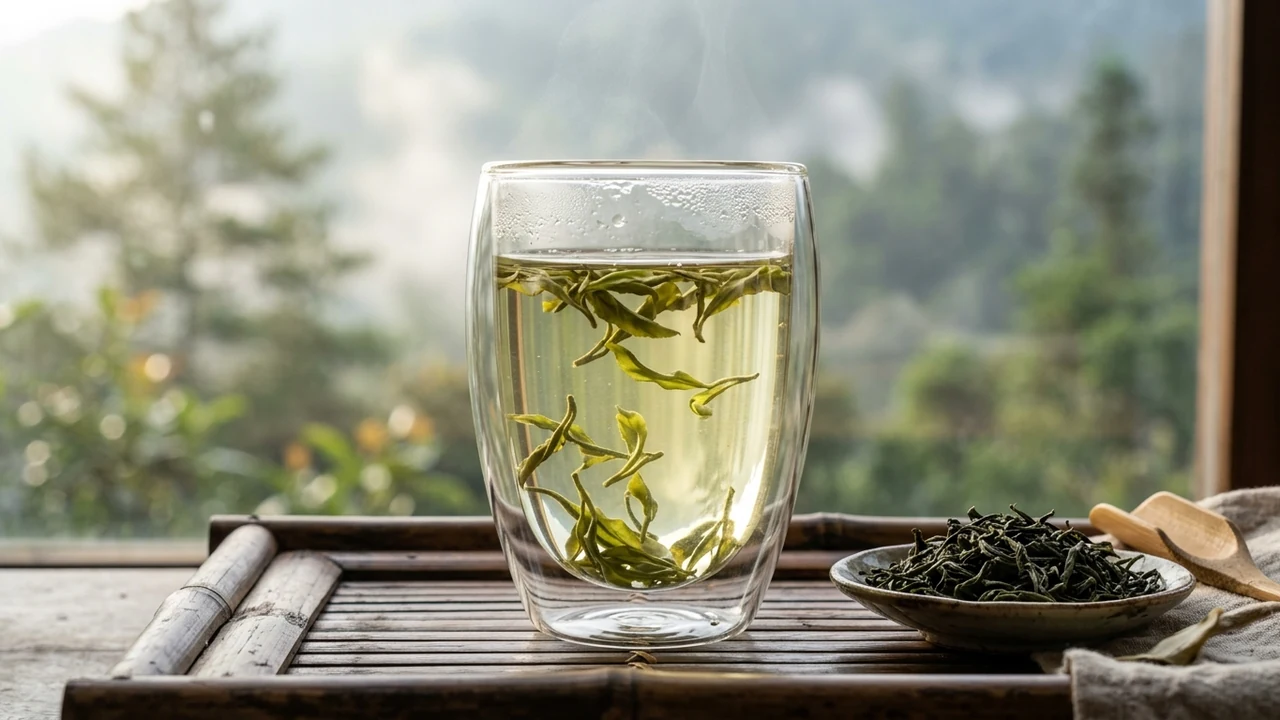
Delicate whole-leaf organic Ceylon green tea leaves floating in a double-walled glass tumbler against misty tea garden mountains
High Grown 6,000ft
Elevation: Nuwara Eliya Terroir 175°F Target

Interactive Low-Temperature Green Tea Infusion Calculator

Single-origin organic Ceylon green tea from Sri Lanka's mist-shrouded high elevations is gently pan-fired to preserve active epigallocatechin gallate (EGCG) catechins. Infusing at a lower temperature of 175°F for 3 minutes releases clean, grassy notes with subtle citrus undertones and zero harsh astringency.

Our Organic Ceylon Green Tea represents unoxidized artisanal Camellia sinensis harvested from smallholder plots across the island. Discover our full range of single-origin tisanes in the curated organic herbal catalog.

Preserving EGCG Catechins: The Gentle 175°F Water Temperature Rule

Unlike black teas that welcome near-boiling water, delicate green leaves require a Low-Temperature Extraction (175°F / 80°C) to protect thermolabile EGCG Catechins. Exposing green tea to 212°F water ruptures bitter polyphenols, completely destroying the smooth, subtle notes of the tender shoots.

Controlled low-temperature water preferentially dissolves water-soluble amino acids—primarily L-theanine—which crosses the blood-brain barrier to foster relaxed alertness and alpha brainwave activity. This amino acid synergizes naturally with moderate caffeine levels to deliver clean daytime cognitive focus without cardiovascular jitteriness.

Single-Estate Terroir in Sri Lanka's Central Highlands

Grown in the misty mountain gardens of High-Grown Nuwara Eliya at over 6,000 feet, these slow-maturing bushes produce an invigorating Grassy Fresh Liquor with natural citrus and honeydew sweetness.

For a spiced afternoon tea alternative, pair with our organic clove black tea blend, or transition into evening with a soothing bedtime chamomile relaxation brew.

Avoiding Bitterness: Controlled 3-Minute Steeping and Re-steep Potential

Following our strict Zero Bitterness Protocol via a Gentle 3-Minute Infusion ensures optimal extraction of relaxing L-theanine while managing astringent tannins. Whole unbroken leaves offer exceptional 2x Re-steep Potential, with the second cup often revealing even softer floral sweetness.

For best results, use spring water with a low mineral count (50–100 ppm TDS) and pre-warm your porcelain or glass pot before decanting. Strain completely at 3 minutes to prevent residual leaves from stewing and producing unwanted astringency.

Frequently Asked Questions About Ceylon Green Tea

01 Why should green tea never be steeped in boiling water?

Boiling water (212°F / 100°C) thermally denatures delicate green tea amino acids like L-theanine and causes aggressive, rapid extraction of bitter polymeric catechins and tannins. Steeping high-grown Ceylon green tea at 175°F (80°C) for 3 minutes ensures that sweet, umami-rich amino acids and protective EGCG are cleanly extracted without astringent bitterness.

02 How does Ceylon green tea differ from Japanese Sencha?

While Japanese green teas (such as Sencha or Gyokuro) are steamed to halt oxidation, yielding a deep emerald vegetal and seaweed-like umami profile, Sri Lankan Ceylon green teas are traditionally pan-fired in copper woks. This imparts a brighter, lighter liquor with crisp lemongrass, sweet hay, and delicate citrus undertones.

03 Can I re-steep high-grown Ceylon green tea leaves?

Yes. High-grown whole leaves unfurl slowly in the teapot and can be re-infused up to 2 times. For the second infusion, use slightly warmer water (180°F) and reduce steep time to 2 minutes.