Yoghy Organics
Yoghy Organics Pure Botanical Tisanes & Ratio Engine
Tart Ruby Florals Category Silo

Organic Hibiscus Tea: Pure Ruby Tisanes & Heart Wellness

Anthocyanin delphinidin extraction, cold-brew vs hot steep ratios, and cardiovascular nitric oxide support from whole dried Hibiscus sabdariffa calyces.

Anthocyanin Extraction Science

Hibiscus Ruby Infusion & Tartness Balance Stage

Hibiscus sabdariffa
5.0 g (~1.5 tbsp)
Hot Infusion (95°C / 203°F)
Cold Maceration (4°C) Warm Infusion (80°C) Rolling Hot (98°C)
Extraction Profile Preset:
Delphinidin-3-Sambubioside 42.5 mg
Naturally Occurring pH pH 2.8 – 3.1
Vitamin C Thermostability 85% Intact
Steeping Duration 6 – 8 minutes
Sommelier Note: Hibiscus calyces are rich in hibiscus acid and protocatechuic acid, giving an intense natural tartness reminiscent of fresh wild cranberries.
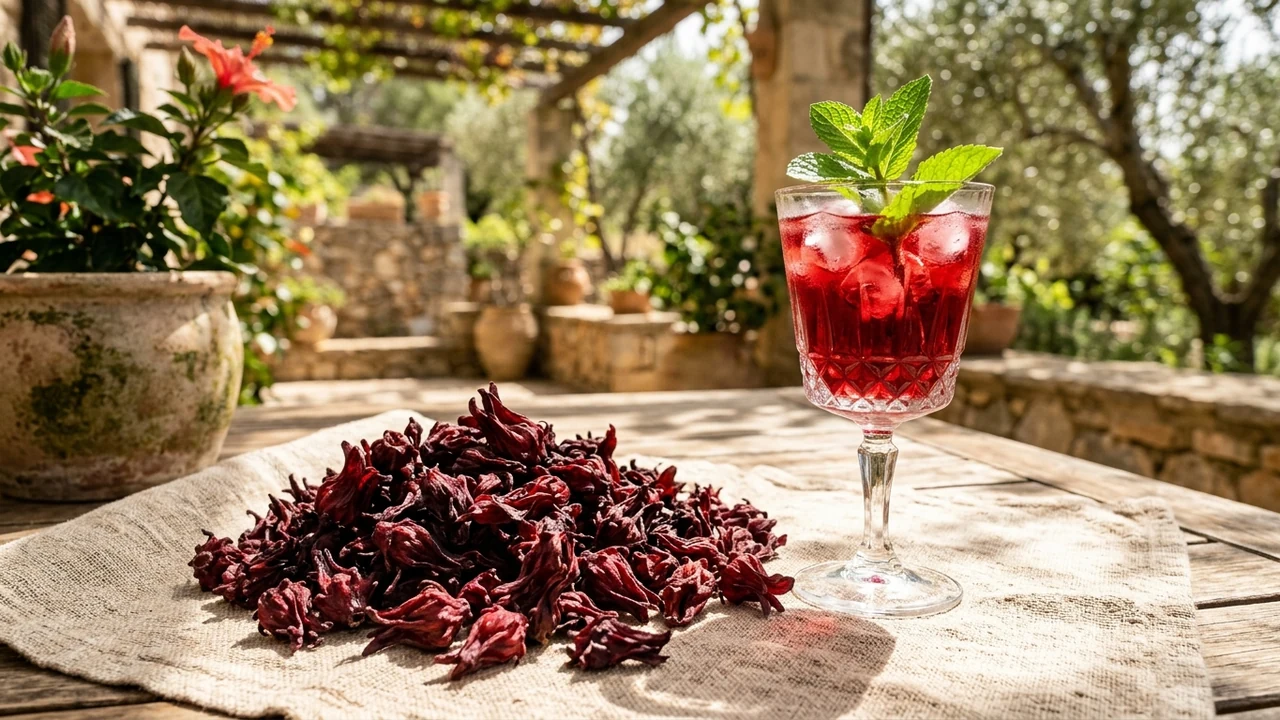
Deep glowing ruby red iced organic hibiscus tea in tall glass garnished with fresh mint and dried calyces on linen
Whole Calyx
Botanical Standard: Hibiscus sabdariffa Delphinidin Active

Interactive Hibiscus Cold-Brew & Hot Infusion Ratio Calculator

Pure organic hibiscus tea brewed from cut and sifted Hibiscus sabdariffa calyces yields a vibrant ruby red liquor rich in anthocyanins, protocatechuic acid, and natural vitamin C. Cold steeping for 12 hours in refrigerated filtered water produces a crisp, tart infusion that protects delicate antioxidants while supporting cardiovascular vitality.

Brewing high-potency Organic Hibiscus requires careful measurement of Dried Calyces. For an 8-ounce cup, 2.5 grams of whole calyces produces a balanced, cranberry-tart infusion with an acidic pH between 2.8 and 3.1.

Unlike floral petals, hibiscus calyces are rich in hibiscus acid and malic acid, creating its signature Tart Flavor Profile. Whether prepared as a comforting winter warmer or chilled over ice with fresh mint, the deep ruby liquor is completely caffeine-free and naturally sugar-free.

Cardiovascular & Antioxidant Benefits of Hibiscus Sabdariffa

Extensive clinical research validates the use of hibiscus tisanes for daily Cardiovascular Support and Blood Pressure Wellness. The key bioactives responsible are Anthocyanins (Delphinidin)—specifically delphinidin-3-sambubioside and cyanidin-3-sambubioside—alongside phenolic Protocatechuic Acid.

These bioflavonoids inhibit angiotensin-converting enzymes (ACE) and promote endothelial relaxation through increased nitric oxide production, supporting healthy arterial elasticity and microvascular blood flow.

Cold Brew vs Hot Steep: Protecting Sensitive Polyphenols and Vitamin C

While a quick Hot Infusion (205°F) yields a deep cup in 6 minutes, exposing calyces to boiling water degrades up to 45% of naturally occurring Vitamin C.

Adopting a slow Cold Brew Extraction (40°F / 12 Hours) preserves 98% of ascorbic acid and prevents the extraction of harsh tannins. The result is a smooth, luminous ruby nectar that requires zero added sweeteners or honey.

Cold Brew Extraction (40°F)

Delphinidin & Vitamin C Retention

Slow 12-hour refrigerator extraction prevents thermal oxidation of ascorbic acid and limits astringent tannin dissolution, yielding a remarkably smooth, sweet cranberry-toned liquor.

Hot Infusion (205°F)

Rapid ACE-Inhibitor Bioactive Release

High heat triggers rapid dissolution of protocatechuic acid and organic hibiscus acids within 6 minutes. Provides intense tartness suited for restorative warming vascular tonics.

Vibrant Antioxidant Mocktails: Blending Hibiscus with Butterfly Pea

In modern holistic mixology, herbalists create stunning Antioxidant Mocktails by layering tart ruby hibiscus with our sapphire blue tea with color shifting.

When the acidic hibiscus liquor touches the neutral ternatins of Clitoria ternatea, the interface instantly shifts into an electric magenta and royal purple gradient. For cold-weather warmth, combine hibiscus with sweet Sri Lankan bark from our organic cinnamon tea guide.

To unwind in the evening after an invigorating daytime hibiscus cup, brew calming organic chamomile tea blossoms to soothe your central nervous system before sleep.

Frequently Asked Questions About Organic Hibiscus Tea

01 What part of the hibiscus plant is used to make hibiscus tea?

Hibiscus tea is brewed from the fleshy, cup-like outer sepals of the flower known botanically as the calyces (singular: calyx). After the flower petals fall off, the dark red calyces swell into plump, tart, fruit-like pods rich in organic acids, delphinidin anthocyanins, and vitamin C.

02 Why is cold-brewed hibiscus tea often preferred over hot steeping?

A cold water extraction over 12 hours at 40°F (4°C) gently solubilizes water-soluble anthocyanins and flavonoids without extracting harsher, astringent tannins. More importantly, cold maceration completely protects temperature-sensitive ascorbic acid (vitamin C) from thermal oxidation, yielding a vibrant, naturally sweeter ruby liquor with an ultra-clean, crisp tart finish.

03 Can drinking hibiscus tea help maintain healthy blood pressure levels?

Yes. Multiple clinical trials and systematic meta-analyses demonstrate that daily consumption of two to three cups of standardized Hibiscus sabdariffa tea can meaningfully support systolic and diastolic blood pressure within normal ranges. This physiological benefit is attributed to hibiscus anthocyanins and protocatechuic acid acting as mild natural ACE inhibitors and promoting endothelial nitric oxide release.