Yoghy Organics
Yoghy Organics Pure Botanical Tisanes & Ratio Engine
Digestive Roots Category Silo

Organic Ginger Tea: Warming Root Infusions & Digestive Vitality

Stovetop simmer decoction ratios, gingerol-to-shogaol heating conversion, and gastric motility support from dried and fresh Zingiber officinale.

Thermogenic Extraction Science

Ginger Rhizome Decoction & Heat Index Calculator

Zingiber officinale
12 g (~4 thick coins)
15 minutes

Simmering converts pungent [6]-gingerols into potent, heating [6]-shogaols via dehydration.

Digestive Intention Preset:
[6]-Gingerol Active Content 28.4 mg
[6]-Shogaol Heat Index Elevated (~32%)
Gastric Emptying Time Delta -24% (Accelerated)
Recommended Water Volume 400 ml (14 oz)
Herbalist Note: Do not peel unblemished organic ginger rhizomes. The corky skin contains volatile monoterpenes (camphene, cineole) that protect digestive mucosa.
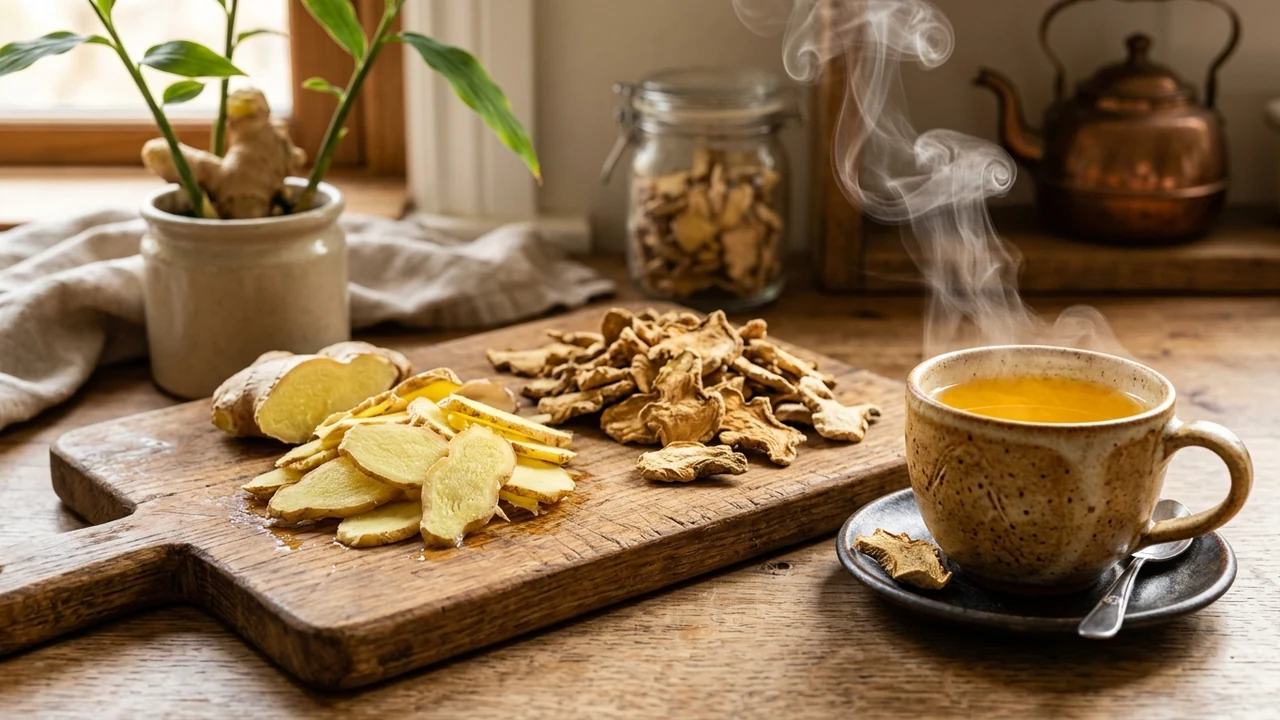
Steaming mug of golden organic ginger root tea with fresh sliced rhizomes and honey dipper on raw linen
Whole Root
Botanical Standard: Zingiber officinale Active Gingerols

Interactive Ginger Root Decoction Ratio Calculator

Organic ginger tea brewed from the dried rhizome of Zingiber officinale releases pungent gingerols and thermogenic shogaols to accelerate digestive motility and relieve nausea. A sustained 10-minute stovetop simmer decoction at 212°F maximizes oleoresin solubility for deep cellular warmth.

Brewing Organic Ginger Root requires understanding root cellular density. Both fresh sliced coins and cut Dried Rhizome pieces require an Active Decoction (212°F / 10 Min) to break through stubborn cell walls and solubilize non-volatile oleoresins.

For a single 8-ounce cup of digestive tonic, our engine recommends 3.0 grams of cut dried root or 12 grams of fresh unpeeled slices. Simmering with the lid tightly secured retains the volatile zesty zingiberene aromatics in solution.

Bioactive Gingerols vs Shogaols: Fresh Rhizome vs Dried Cut Root

The pharmacodynamics of ginger root undergo a significant thermal shift during heat extraction. Fresh rhizomes contain predominantly Gingerols (6-Gingerol), which provide crisp sharpness and swift gastric soothing.

Subjecting ginger to sustained drying or prolonged stovetop simmering converts gingerols into Shogaols via beta-elimination dehydration. Shogaols generate intense, enduring Ayurvedic Warmth and serve as a potent Circulation Stimulant for cold hands and sluggish digestion.

Fresh Sliced Rhizome

6-Gingerol Dominance

Light, pungent sharpness with immediate gastric motility stimulation and upper digestive ease. Best for morning revitalizing infusions and acute nausea comfort.

Dried Simmered Root

6-Shogaol Thermogenesis

Deep, penetrating heat generated by thermal dehydration. Stimulates peripheral microcirculation, warms deep tissue, and delivers potent anti-inflammatory curcuminoid synergy.

Digestive Motility, Nausea Relief & Circulation Enhancement

Clinical pharmacological studies demonstrate that gingerol bioactives accelerate Digestive Motility by stimulating antral stomach contractions. This makes ginger decoctions premier phytotherapeutic tools for Anti-Nausea Therapy, reducing feelings of post-meal fullness and motion sensitivity.

Furthermore, vanilloid receptor activation by gingerols triggers mild peripheral vasodilation, warming cold extremities and supporting cardiovascular microcirculation without elevating resting heart rate.

Ayurvedic Synergies: Combining Ginger Root with Ceylon Cinnamon & Honey

In traditional Ayurvedic herbalism, ginger achieves maximum synergy when paired with authentic Sri Lankan bark. Discover how our Ceylon Cinnamon Synergy in the organic cinnamon tea guide balances ginger's pungency with soothing sweetness.

For a spiced warming cup that combines pungent rhizomes with rich whole eugenol buds, brew with our aromatic clove bud black tea.

To preserve living enzymes, always let the tea cool below 110°F (43°C) before stirring in a teaspoon of a Raw Honey Pairing. For evening relaxation after heavy dinners, follow with a soothing cup from our whole chamomile blossom tea guide.

Frequently Asked Questions About Brewing Dried Ginger Tea

01 Should I peel the ginger rhizome before boiling ginger tea?

No. If using certified organic ginger root, simply wash and scrub the rhizome thoroughly. The thin outer skin contains volatile aromatic terpenes and protective minerals. Leaving the skin on also prevents excessive starch clouding in your final decoction.

02 What is the biochemical difference between fresh ginger root and dried ginger tea?

Fresh ginger rhizome is predominantly rich in gingerols (specifically 6-gingerol), which deliver a bright, zesty, pungent heat and rapid anti-nausea action. When ginger is dried or simmered in boiling water for over 10 minutes, gingerols undergo a thermal dehydration reaction, converting into shogaols (such as 6-shogaol). Shogaols are more than twice as pungent as gingerols and exhibit stronger thermogenic and circulatory stimulating properties.

03 How long should dried ginger root be simmered for maximum therapeutic benefits?

Dried cut ginger root requires an active stovetop simmer for 10 to 15 minutes at 212°F (100°C) with the pot covered. This softens the fibrous root tissues and extracts both water-soluble gingerols and lipophilic essential oils without scorching delicate volatiles.